

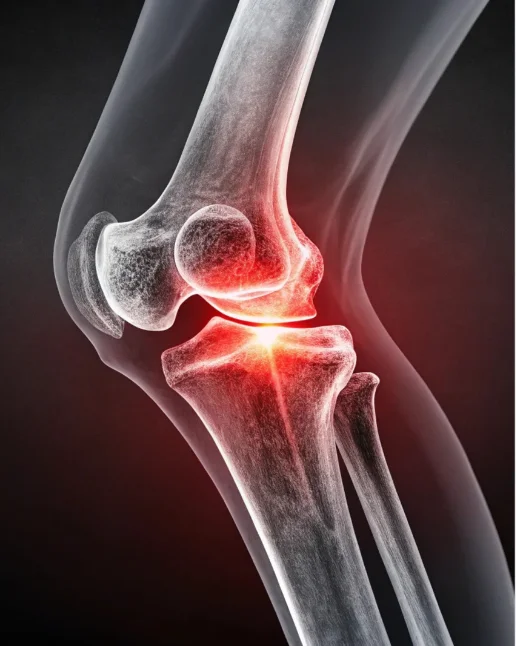
There comes a point when chronic hip or knee pain stops being just an annoyance and starts shrinking your world completely. When getting up from a basic living room chair makes you grit your teeth, or when you have to plan your entire afternoon around avoiding a few steps, the pain isn’t just affecting your body anymore—it’s stealing your independence. You find yourself turning down invitations to go out with friends, skipping morning walks, and relying on daily painkillers just to get through a quiet afternoon.
Most people push off seeing a specialist because they are terrified of the phrase “joint replacement.” They picture being completely bedridden for six months, dealing with massive scars, or losing their natural movement forever. But orthopedic care doesn’t work that way anymore. Today, replacing a worn-out joint is incredibly precise, highly refined, and focused entirely on one practical goal: getting you back to a normal, active life completely free of that constant, exhausting ache.
The actual damage this surgery fixes
Joint replacement isn’t a random decision; it’s a highly targeted fix for deep structural damage that can no longer support your body weight smoothly. The most common culprit is severe osteoarthritis, which is essentially the classic “wear and tear” where the smooth, protective cartilage inside your knee or hip completely grinds away over time, leaving bare bone rubbing directly against bone. It’s also the primary solution for rheumatoid arthritis, a chronic inflammatory issue where your body’s own immune system mistakenly attacks your joint linings, causing severe stiffness and swelling. Beyond that, it fixes post-traumatic arthritis (deep joint damage that locks up your mobility years after an old accident or severe fracture) and avascular necrosis, which happens when the blood supply to a section of bone cuts off, causing the bone tissue to collapse and the joint to fail completely.
How your daily life changes afterward
When a damaged joint is replaced with a modern, smooth implant, the shift in your daily quality of life is night and day. First and foremost, you get instant relief from that agonizing bone-on-bone grinding sensation. You regain your natural movement, meaning you can bend, straighten, and rotate your leg without that stubborn, frozen stiffness that locks you in place. Most patients are able to completely stop taking heavy, long-term painkillers and anti-inflammatory drugs that end up upsetting the stomach. Best of all, you get your independence back. You can return to simple, joyful realities like morning walks, shopping, traveling, and playing with grandkids without constantly scanning the room for the nearest chair.
Who actually needs to take this step?
Surgery is always a major milestone, and it is only considered when your joint is genuinely stopping you from living your life. You might be a prime candidate for a replacement if your knee or hip pain keeps you awake at night, even when you are lying completely still and trying to rest. If regular, non-surgical options like targeted physical therapy, knee braces, weight management, or joint injections offer zero relief, surgery becomes the logical next step. It’s meant for people whose mobility is so restricted that they cannot walk short distances or manage basic household chores without severe discomfort, and where an X-ray or MRI clearly shows advanced, structural joint destruction that cannot simply heal on its own.
What the recovery timeline really looks like
The old belief that a joint replacement leaves you helpless for six months is entirely a myth. Modern surgical tracks are built to get you moving immediately. On day one, you are actually encouraged to stand up and take a few supported steps with a walker just hours after your surgery. Early movement keeps the blood flowing and stops the joint from freezing up. During weeks one and two, you’ll focus on healing the incision at home while performing gentle, basic movements with a physical therapist navigating your home routine. By weeks three to six, your strength builds rapidly. Most patients transition from a walker to a simple cane, and eventually start walking entirely on their own as their leg muscles rebuild. By the second month and beyond, the joint starts feeling completely natural. You can comfortably handle driving, traveling, and light recreational activities with a joint that functions smoothly and silently.
Everyday Questions Patients Ask
How long does a modern joint implant actually last?
With today’s advanced materials like high-grade titanium and specialized durable plastics, a modern joint replacement can easily last 20 to 25 years for most patients, especially when they maintain a healthy weight and stay active.
Is the surgery incredibly painful?
While it is a major procedure, modern post-surgery pain management is exceptionally advanced. Doctors use localized nerve blocks and targeted medications so that you feel a manageable soreness rather than sharp, severe pain, allowing you to start walking comfortably right away.
Why People Trust Dr. S.P. Modanwal?
When you are deciding to replace a joint, the skill and high-volume experience of your surgeon matter more than anything else. Dr. S.P. Modanwal brings an incredible depth of surgical precision to Varanasi, having refined his techniques at world-class institutions like KGMU Lucknow and the busy BHU Trauma Center.
Practicing near Amra Chauraha and at Highway Hospital, he specializes in muscle-preserving, high-precision joint replacements. Dr. Modanwal takes the time to accurately align your new joint to match your natural walking style perfectly. By bringing this level of premier orthopedic care directly to Varanasi, he saves local families from the immense stress, heavy expense, and logistical nightmare of traveling to far-off metro cities just to get world-class treatment.