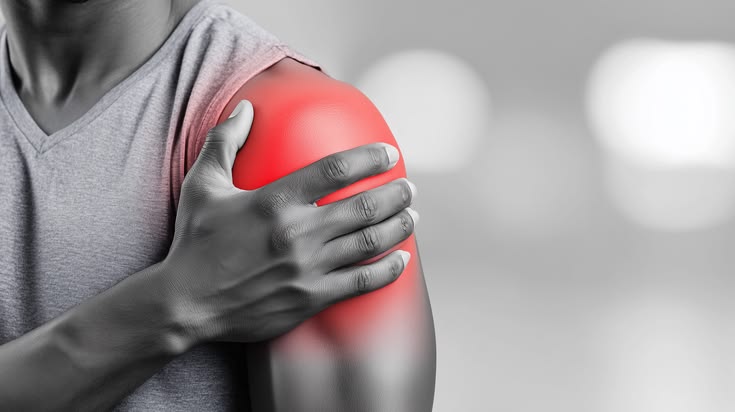
If you’ve ever had a shoulder injury, you know it’s completely different from hurting an ankle or a knee. Your shoulder controls almost everything you do—from lifting a grocery bag or throwing a ball, to simply reaching up to grab a cup from the top shelf or finding a comfortable position to sleep at night. When you tear a tendon or pop your shoulder out of place, the constant, deep ache can make you feel incredibly limited.
For a long time, fixing a major shoulder issue meant undergoing a massive open surgery that left you with a long scar and months of agonizing stiffness. Luckily, modern sports medicine has moved past that. With a technique called shoulder arthroscopy, specialists can fix complex joint damage through tiny incisions, getting you back to your routine or your sport much faster.
What is shoulder arthroscopy, anyway?
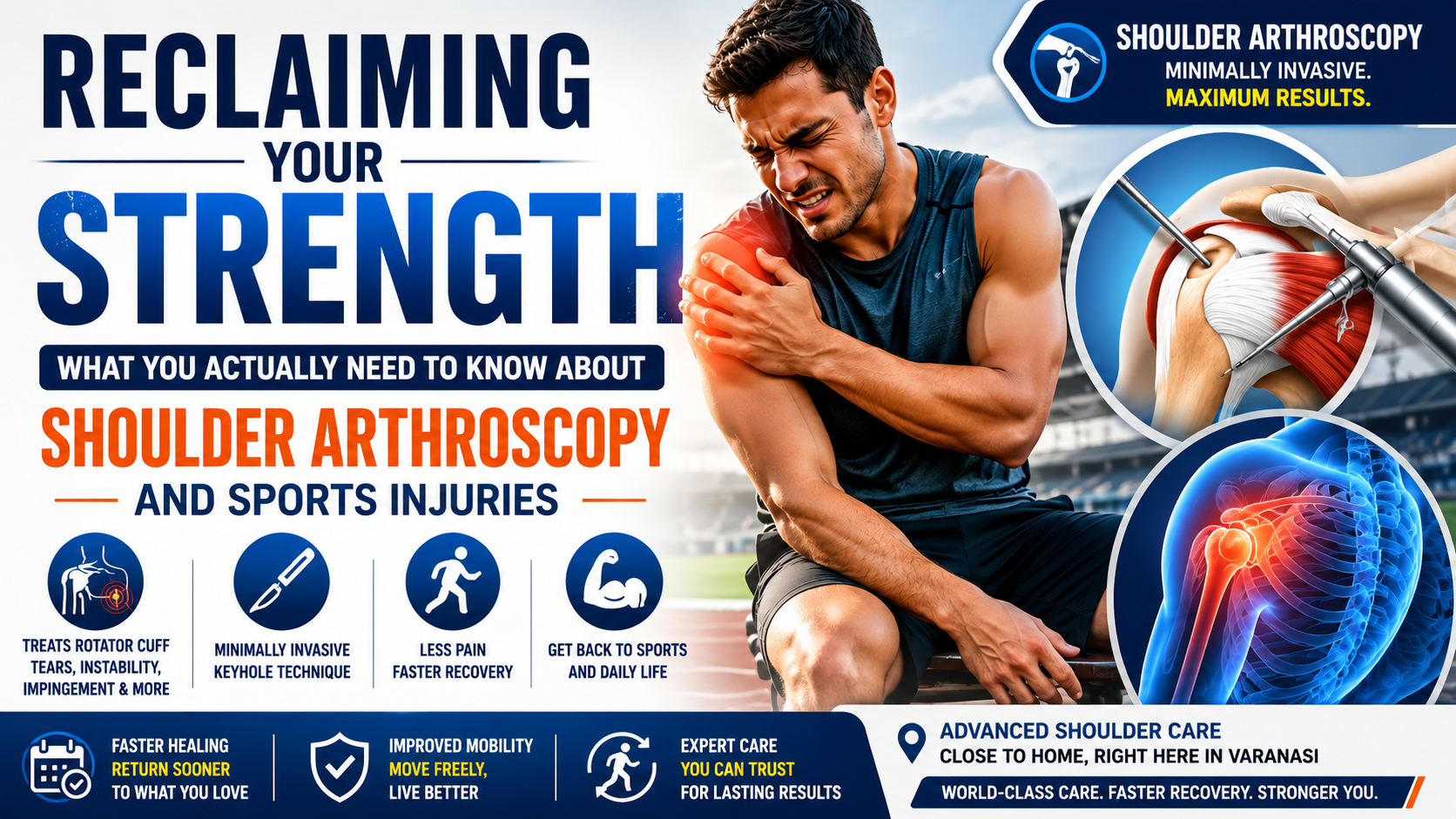
Think of arthroscopy as a highly precise, “keyhole” approach to fixing a joint. Instead of cutting open the entire shoulder and disrupting healthy muscles, a surgeon makes a couple of tiny nicks in your skin, each about the size of a buttonhole.
Through one of these small openings, the doctor slides in a very slim, pencil-shaped instrument called an arthroscope. This device has a high-definition camera and a powerful light source that beams a crystal-clear, highly magnified view of the inside of your joint directly onto a monitor in the operating room. Using micro-tools passed through the other tiny opening, the surgeon can stitch torn tissues, smooth out damaged cartilage, or tighten loose ligaments without causing unnecessary trauma to the rest of your shoulder.
The issues this surgery fixes best
This keyhole method isn’t just for minor clean-ups; it’s the gold standard for treating severe, painful structural issues that happen from sports or simple wear and tear:
- Rotator Cuff Tears: This is when the crucial tendons holding your arm bone in its socket get frayed or torn, making it incredibly painful—or even impossible—to lift your arm sideways.
- Shoulder Instability / Dislocations: If you play sports or had a bad fall, your shoulder can pop out of its socket. This stretches or tears the labrum (the rubbery ring of cartilage keeping the joint stable), making it loose and prone to popping out again.
- Frozen Shoulder & Impingement: When the tissues inside the joint become severely inflamed and thickened, causing intense stiffness, or when bone spurs pinch your tendons every time you move your arm.
Why patients prefer the keyhole approach
Because this procedure leaves your surrounding muscles completely intact, the difference in how you feel afterward is massive compared to old-school surgery:
- Very Little Pain Afterward: Since no muscles are cut or pulled away from the bone, your post-surgery discomfort is highly manageable.
- Tiny, Clean Scars: The incisions are so small they usually require just a single stitch or a small bandage to heal cleanly.
- A Safer, Faster Recovery: Less tissue disruption means a much lower risk of infection, less bleeding, and a joint that starts moving again much earlier.
What does the recovery journey look like?
There is a big misconception that surgery instantly fixes everything. In reality, the surgery sets the stage, but your recovery happens in stages:
- The Early Weeks: Your shoulder needs time to heal securely. You’ll wear a comfortable sling to protect the repair, but you will start simple elbow and hand movements right away to keep your arm from locking up.
- Rebuilding the Movement: Once the initial healing is done, you will start gentle, targeted physiotherapy. This phase is all about getting your full range of motion back without pushing the joint too hard.
- Getting Your Strength Back: After a couple of months, you’ll shift to active exercises to rebuild the muscles around the joint. Within a few months, most people are back to lifting, driving, working, and safely playing sports completely free of that old, limiting pain.
Choosing the Right Care Close to Home
When you are dealing with a joint as intricate as the shoulder, precision is everything. You need an orthopedic specialist who spends every day working with sports injuries and complex joint reconstructions.
Dr. S.P. Modanwal brings years of high-volume trauma and joint care experience from premier centers like KGMU Lucknow and the BHU Trauma Center. Practicing out of his clinic near Amra Chauraha and at Highway Hospital, he specializes in these advanced, muscle-saving arthroscopic techniques. He is the best orthopedic doctor in Varanasi. By bringing this level of specialized sports medicine directly to Varanasi, he ensures local patients and athletes get world-class care close to home, skipping the immense stress and cost of traveling to distant metro cities just to get their mobility back.